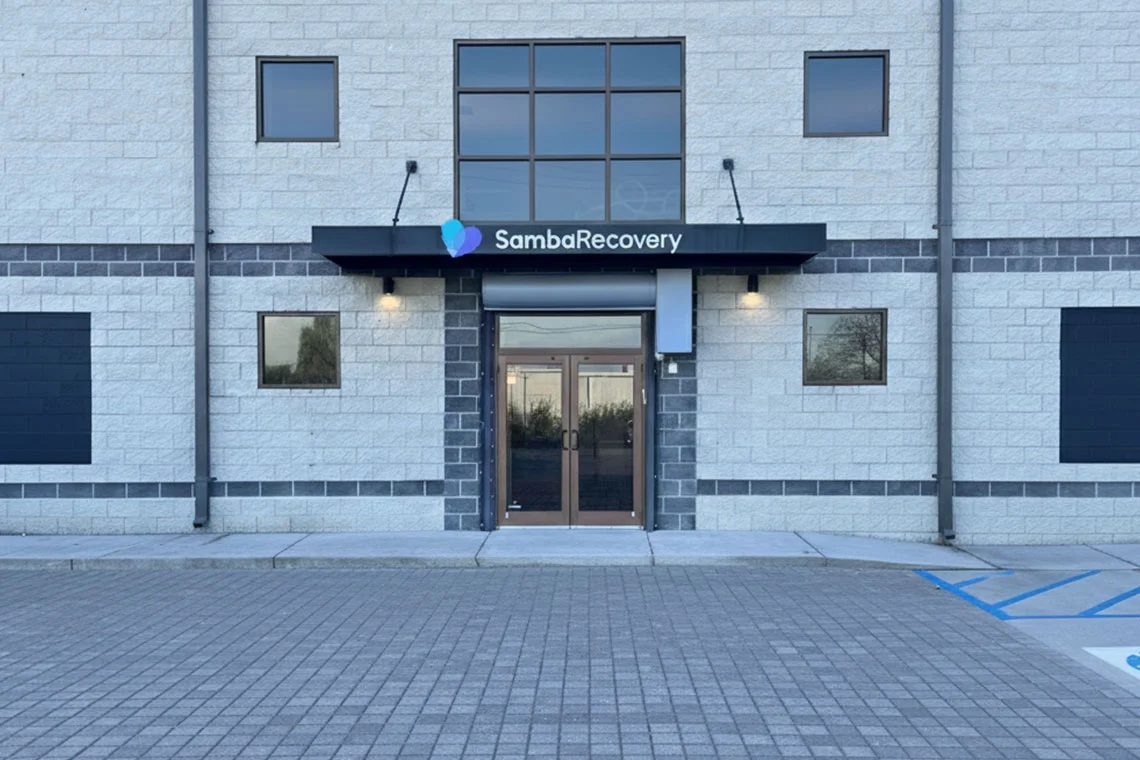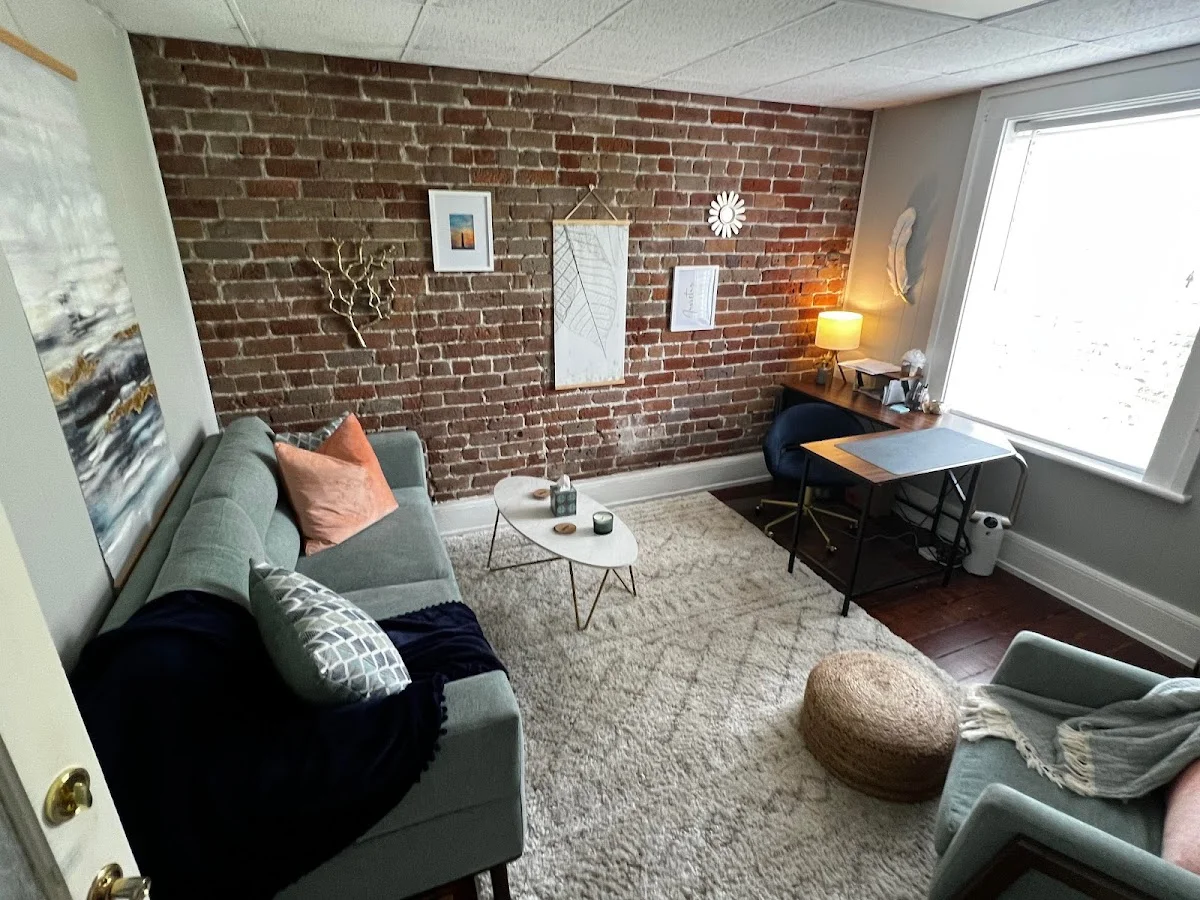

Finding the right addiction treatment center is a crucial step on the path to recovery. In Georgia, numerous facilities offer a variety of treatment options tailored to individual needs. This guide will help you navigate the landscape of addiction treatment centers in Georgia for 2026, ensuring you have the information necessary to make informed decisions about your recovery journey.
Types of Treatment Centers
In Georgia, there are several types of treatment centers, each designed to meet different needs and preferences:
- Residential Treatment Centers: These facilities provide 24/7 care in a structured environment. Ideal for individuals with severe addiction, they offer comprehensive services, including therapy, medical care, and support groups.
- Programas de Hospitalização Parcial (PHP): PHPs offer intensive treatment while allowing individuals to return home in the evenings. This option is suitable for those who require more support than traditional outpatient programs but do not need around-the-clock care.
- Programas Intensivos de Tratamento Ambulatorial (IOP): IOPs are designed for individuals who need flexible treatment options. These programs typically involve several hours of therapy a week while allowing individuals to maintain their daily responsibilities.
How to Evaluate Quality of Care
When considering a treatment center, it’s essential to evaluate the quality of care. Here are a few factors to consider:
- Staff Credentials: Look for centers with licensed professionals, including psychologists, counselors, and medical staff.
- Abordagens terapêuticas: Research the types of therapies offered. Evidence-based practices, such as Cognitive Behavioral Therapy (CBT) and Motivational Interviewing, are often effective.
- Client-to-Staff Ratio: A lower ratio can indicate more personalized care and attention.
Accreditation
Accreditation from reputable organizations assures you that the treatment center meets high standards of care. In Georgia, look for facilities accredited by:
- Commission on Accreditation of Rehabilitation Facilities (CARF): This organization evaluates and accredits health and human services, ensuring quality and accountability.
- The Joint Commission: This organization sets strict performance standards for healthcare organizations, focusing on patient safety and quality of care.
What to Expect During Admission
The admission process can be overwhelming, but knowing what to expect can ease your anxiety:
- Avaliação inicial: You'll undergo a comprehensive evaluation to determine your specific needs and create a personalized treatment plan.
- Medical History Review: Be prepared to discuss your medical history, including any substance use and existing health conditions.
- Desintoxicação: If necessary, you may begin a medically supervised detox process to safely manage withdrawal symptoms.
Average Cost and Length of Stay
The cost and duration of treatment can vary widely based on the type of facility and services provided:
- Residential Treatment: Average costs range from $15,000 to $30,000 for a 30-day stay.
- PHP: Expect costs between $5,000 and $10,000 for a 30-day program.
- IOP: IOPs tend to be more affordable, with costs averaging $3,000 to $7,000 for 30 days.
Insurance-Accepted Facilities in Georgia
Many treatment centers in Georgia accept insurance, which can significantly reduce out-of-pocket expenses. Commonly accepted insurance providers include:
- Blue Cross Blue Shield
- Aetna
- Cigna
- UnitedHealthcare
Always contact the facility beforehand to confirm coverage and any potential out-of-pocket costs.
State-Funded Options
For those who may not have insurance, Georgia offers state-funded treatment options. These facilities provide services on a sliding scale based on income. You can find assistance through:
- The Georgia Department of Behavioral Health and Developmental Disabilities (DBHDD)
- Local Community Service Boards (CSBs)
Planejamento de cuidados pós-operatórios
Successful recovery often depends on a solid aftercare plan. Many treatment centers in Georgia offer:
- Terapia contínua: Ongoing counseling or group therapy.
- Grupos de apoio: Access to local support groups such as Alcoholics Anonymous (AA) or Narcotics Anonymous (NA).
- Sober Living Houses: Transitional living environments that provide support as you reintegrate into everyday life.
How to Get Started
Taking the first step toward recovery can be daunting, but you are not alone. Here’s how to get started:
- Reach Out for Help: Contact a trusted friend, family member, or a mental health professional to discuss your situation.
- Instalações de pesquisa: Look into various treatment centers in Georgia that meet your needs and preferences.
- Call for More Information: Speak directly with treatment centers to ask questions about their programs and admission process.
- Take Action: Once you’ve selected a facility, begin the admission process and prepare for your journey to recovery.
Remember, seeking help is a courageous step toward a healthier, addiction-free life. You deserve support and healing on this journey.
More Recovery Resources in Georgia
Sober Network is a directory, not an intake form. Explore local facilities and contact providers directly.