
Embarking on the journey of addiction recovery is a courageous step, and understanding what to expect during medical detox can provide clarity and peace of mind. This guide aims to illuminate the detox process in Georgia, GA, helping individuals and their loved ones navigate this critical phase of recovery.
The Difference Between Medical and Home Detox
Understanding the difference between medical detox and home detox is vital for making informed decisions. Here are the key distinctions:
- Medical Detox: Conducted in a healthcare facility under professional supervision, medical detox involves constant monitoring by healthcare providers. This ensures that withdrawal symptoms are managed safely and effectively.
- Home Detox: This involves detoxing in the comfort of one’s home, often without professional supervision. While it may seem convenient, it can be risky due to potential severe withdrawal symptoms and complications.
Withdrawal Timeline
Withdrawal symptoms vary based on the substance used. Below is a general timeline for alcohol, opioids, and benzodiazepines:
Alcohol Withdrawal Timeline
- 6-12 hours: Anxiety, tremors, and sweating.
- 24-48 hours: Increased symptoms, including hallucinations or seizures.
- 3-7 days: Peak symptoms; medical supervision is critical.
Opioid Withdrawal Timeline
- 6-12 hours: Initial symptoms like anxiety and muscle aches.
- 1-3 days: Symptoms escalate to nausea, vomiting, and diarrhea.
- 7-10 days: Symptoms begin to taper off but can persist for weeks.
Benzodiazepine Withdrawal Timeline
- 1-4 days: Anxiety, insomnia, and increased heart rate.
- 1-2 weeks: Peak withdrawal symptoms, including seizures.
- Weeks to months: Protracted withdrawal symptoms may occur.
Medications Used During Detox
During medical detox, several medications may be administered to ease withdrawal symptoms and reduce cravings:
- Alcohol: Benzodiazepines (e.g., Lorazepam) to manage symptoms.
- Opioids: Methadone or Buprenorphine to reduce cravings and withdrawal.
- Benzodiazepines: Tapering schedules may include other benzodiazepines to minimize withdrawal.
A Typical Day in Detox
A typical day in a medical detox facility is structured and supportive. Here’s what you might expect:
- Morning: Vital signs check and medication administration.
- Breakfast: Nutritional meals to support recovery.
- Therapy Sessions: Individual or group therapy sessions to address psychological aspects of addiction.
- Afternoon: Activities such as yoga or meditation to promote relaxation.
- Evening: Check-ins with medical staff to monitor progress and symptoms.
Preparing for Detox
Preparation is key for both individuals entering detox and their loved ones. Here are some tips:
- Educate Yourself: Understand the detox process and what to expect.
- Pack Essentials: Comfortable clothing, toiletries, and personal items that provide comfort.
- Communicate: Discuss concerns with healthcare providers and loved ones.
- Set Goals: Reflect on personal motivations for recovery.
When Detox is Medically Necessary vs. Optional
Knowing when detox is essential can save lives. Medical detox is necessary when:
- Severe Addiction: History of severe withdrawal symptoms or complications.
- Multiple Substances: Use of multiple substances that may complicate withdrawal.
- Co-Occurring Conditions: Mental health disorders that require integrated care.
Detox may be optional for individuals with mild substance use disorders, but it is still recommended to seek professional guidance.
What Happens After Detox?
Detox is just the beginning of the recovery journey. After detox, individuals are encouraged to:
- Engage in Treatment: Enter rehabilitation programs that address the psychological aspects of addiction.
- Establish Support Networks: Participate in support groups like Alcoholics Anonymous or Narcotics Anonymous.
- Develop Coping Strategies: Learn skills to manage cravings and triggers.
Finding Accredited Detox Centers in Georgia
Finding a reputable detox center is crucial for safety and effective treatment. Here are some tips:
- Research: Look for facilities accredited by organizations such as The Joint Commission or the National Association of Addiction Treatment Providers.
- Consult Professionals: Seek recommendations from healthcare providers or addiction specialists.
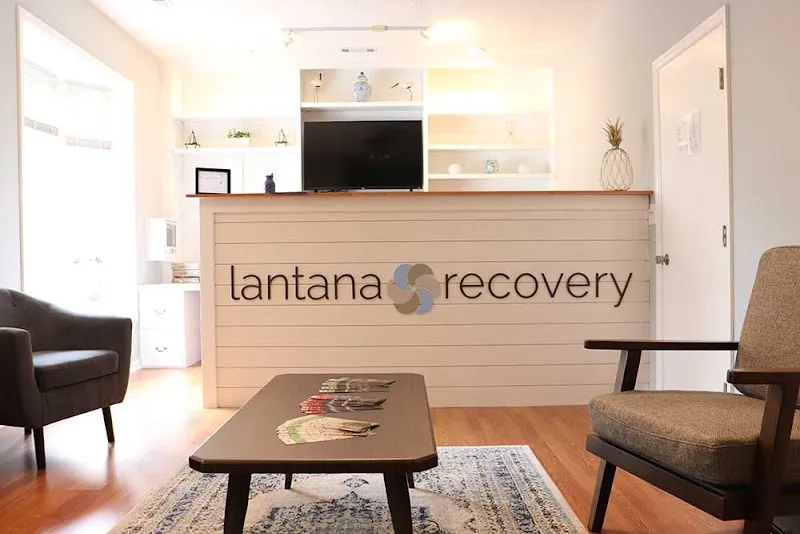
- Visit Facilities: If possible, tour the center to assess the environment and staff.
In conclusion, medical detox is a vital step in the recovery process, and being informed can alleviate fears and uncertainties. Whether for yourself or a loved one, understanding the detox journey in Georgia is essential for fostering hope and healing.
More Recovery Resources in Georgia
Sober Network is a directory, not an intake form. Explore local facilities and contact providers directly.