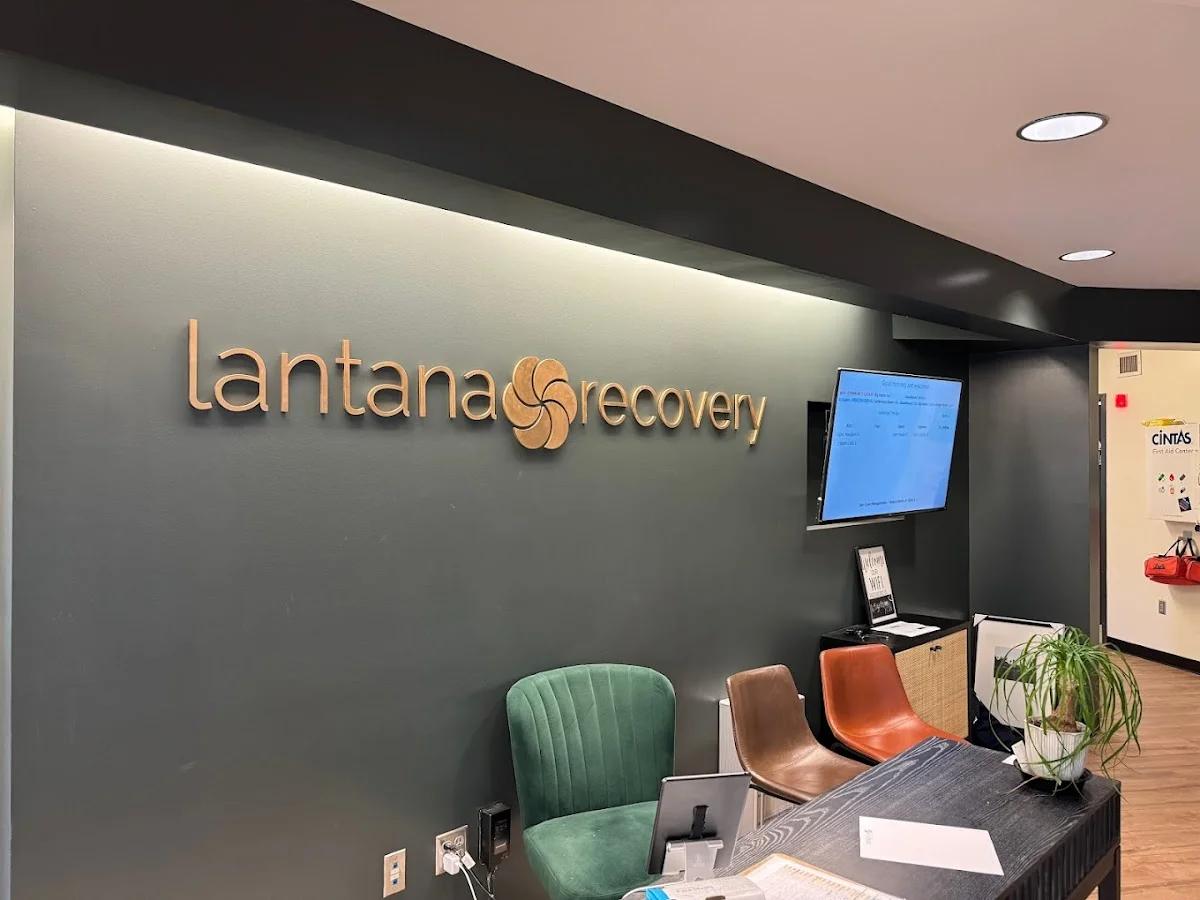

Dealing with addiction can be a challenging journey, especially when it is accompanied by mental health issues. This situation is termed dual diagnosis, where an individual experiences both a substance use disorder and a mental health disorder simultaneously. In Georgia, comprehensive treatment options are available for those struggling with dual diagnosis, offering hope and healing.
Understanding Dual Diagnosis
Dual diagnosis is a term used to describe the condition of having both a mental health disorder and a substance use disorder. This dual struggle can complicate treatment and recovery, as each condition can exacerbate the other. For example, someone with depression may turn to alcohol or drugs as a form of self-medication, which can worsen their mental health condition.
Common Co-occurring Conditions
Several mental health disorders frequently co-occur with substance use disorders. Understanding these can help in recognizing the importance of integrated treatment approaches. Here are some of the most common co-occurring conditions:
- Depression: Many individuals with depression may use substances to escape feelings of sadness or hopelessness.
- Anxiety: Anxiety disorders, including generalized anxiety disorder and panic disorder, often lead individuals to misuse drugs or alcohol to alleviate their symptoms.
- Post-Traumatic Stress Disorder (PTSD): People who have experienced trauma may turn to substances as a way to cope with their memories and emotions.
- Bipolar Disorder: The extreme mood swings associated with bipolar disorder can lead to substance abuse as individuals seek to manage their highs and lows.
Why Integrated Treatment Matters
Integrated treatment is crucial for individuals with dual diagnosis because it addresses both mental health and substance use disorders simultaneously. This holistic approach is essential for several reasons:
- Comprehensive Care: Treating both conditions at the same time allows for a more complete understanding of the individual’s needs.
- Improved Outcomes: Research shows that individuals who receive integrated treatment are more likely to achieve long-term recovery.
- Reduced Relapse Rates: Addressing the underlying mental health issues can help reduce the likelihood of relapse into substance use.
- Personalized Treatment Plans: Integrated programs can be tailored to the specific needs of the individual, ensuring that both the mental health and substance use aspects are addressed.
Finding Dual Diagnosis Programs in Georgia
Georgia offers a variety of treatment options for individuals seeking help for dual diagnosis. When looking for a program, consider the following:
- Research Facilities: Look for treatment centers that specialize in dual diagnosis. These facilities often have trained staff who understand the unique challenges of co-occurring disorders.
- Accreditation: Ensure that the facility is accredited by recognized organizations, which can be a mark of quality and comprehensive care.
- Types of Programs: Explore different types of programs available, including inpatient, outpatient, and intensive outpatient services, which can provide varying levels of care based on individual needs.
- Support Services: Look for programs that offer additional support services, such as counseling, support groups, and aftercare programs, which can be essential for long-term recovery.
How to Get Help
Taking the first step towards recovery can be daunting, but help is readily available. Here are some steps you can take to get the assistance you need:
- Reach Out: Contact a healthcare professional or a local addiction hotline. They can provide guidance on the next steps and help you navigate the treatment options available.
- Talk to Someone: Sharing your struggles with a trusted friend or family member can provide emotional support and make it easier to seek help.
- Evaluate Your Options: Take your time to research and visit different treatment centers. Ask questions about their approach to dual diagnosis and what programs they offer.
- Commit to the Process: Recovery is a journey that requires commitment. Be open to the treatment process, understanding that healing takes time.
In conclusion, dual diagnosis can be a complex condition, but with the right treatment and support, recovery is possible. Georgia offers various resources for those struggling with co-occurring disorders. Remember, you are not alone, and help is available to guide you towards a healthier, fulfilling life.
More Recovery Resources in Georgia
Sober Network is a directory, not an intake form. Explore local facilities and contact providers directly.