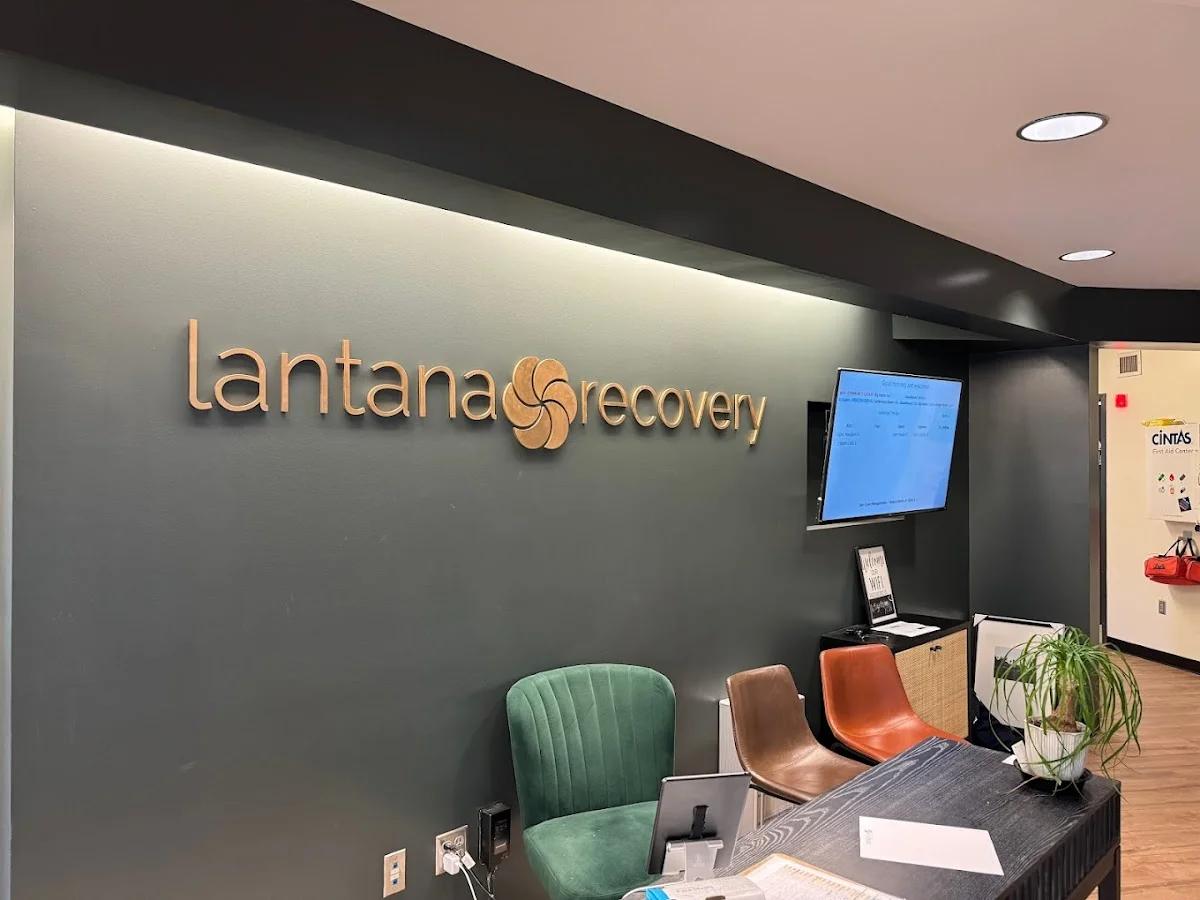

Exploring Addiction Treatment Options in Georgia
Georgia offers a myriad of addiction treatment options designed to cater to the diverse needs of individuals seeking recovery. Understanding the levels of care available can empower you or your loved one to make informed decisions on the journey to recovery. Below, we explore various treatment levels, how to choose the right program, insurance considerations, and essential questions to ask facilities.
Levels of Care
In Georgia, addiction treatment typically falls into several levels of care. Each level is designed to meet different needs based on the severity of the addiction, the presence of co-occurring mental health disorders, and individual circumstances.
- Detox: Detoxification is often the first step in addiction treatment. It involves medical supervision to safely manage withdrawal symptoms as the body clears itself of substances. This process can vary in length from a few days to a week, depending on the substance and individual needs. For more information on detox, visit our detox page.
- Inpatient Treatment: Inpatient programs provide 24/7 care in a residential setting. This level of care is ideal for individuals with severe addictions or those who have not been successful in outpatient programs. Inpatient treatment offers a structured environment that promotes healing and recovery.
- Partial Hospitalization Program (PHP): PHP is a step down from inpatient care, providing intensive therapy during the day while allowing individuals to return home in the evenings. This option is suitable for those who need significant support but can maintain stability at home.
- Intensive Outpatient Program (IOP): IOP offers a flexible treatment schedule that allows individuals to attend therapy several times a week while managing responsibilities outside of treatment. This is beneficial for those who have completed detox or inpatient care and need ongoing support.
- Outpatient Treatment: Outpatient programs are the least intensive level of care, providing therapy sessions that fit into the individual’s schedule. This option is best for those with mild to moderate addictions or those stepping down from higher levels of care.
How to Choose the Right Treatment Program
Choosing the right treatment program can be daunting, but there are several factors to consider that can help simplify the decision-making process:
- Assess the Level of Care Needed: Evaluate the severity of the addiction and any co-occurring mental health issues to determine the appropriate level of care.
- Check Accreditation: Ensure that the facility is accredited by recognized organizations such as the Joint Commission or the National Association of Addiction Treatment Providers (NAATP).
- Look for Specialized Programs: Some facilities offer specialized programs tailored to specific populations, such as women, LGBTQ+ individuals, or those with dual diagnoses.
- Consider Location: Proximity can be essential for support systems and family involvement. However, some people may benefit from traveling for treatment to avoid triggers.
- Read Reviews: Look for testimonials or reviews from former clients to gauge the effectiveness of the program.
Insurance and Payment Options
Understanding your insurance coverage is crucial when seeking treatment for addiction. Many facilities in Georgia accept a variety of insurance plans, including Medicaid and Medicare. It’s important to:
- Contact Your Insurance Provider: Verify the specifics of your coverage, including deductibles, copayments, and any limitations on the number of therapy sessions.
- Inquire About Payment Plans: If you’re uninsured or underinsured, ask facilities about sliding scale fees or payment plans that can make treatment more accessible.
- Explore State-Funded Programs: Georgia may offer state-funded treatment options for individuals who qualify based on financial need.
Questions to Ask Treatment Facilities
When you contact a treatment facility, asking the right questions can help you make an informed decision:
- What types of therapies and modalities do you offer?
- What is the staff-to-patient ratio?
- Are family involvement and aftercare services included in the program?
- How do you handle co-occurring disorders?
- What is the average length of stay for your programs?
Choosing to seek help is a significant step towards recovery. Remember, there is no one-size-fits-all solution; the right treatment option is one that aligns with your individual needs and circumstances. For additional support, consider exploring resources like treatment options, sober living facilities, or getting help today.
Recovery is possible, and you are not alone in this journey. Reach out for support and take the first step towards a healthier, happier life.
This article is for informational purposes only and does not constitute medical advice.
More Recovery Resources in Georgia
Sober Network is a directory, not an intake form. Explore local facilities and contact providers directly.