
Men's Sober Living in Georgia: A Complete Guide
What is Sober Living and Why is it Important for Men in Recovery?
Sober living homes, also known as transitional housing or recovery residences, provide a structured, supportive environment for men transitioning from addiction treatment programs back into independent living. These homes offer a crucial bridge between the intensive care of rehab and the challenges of everyday life, significantly increasing the chances of long-term sobriety. In Georgia, where access to quality addiction treatment is paramount, sober living homes play a vital role in the recovery ecosystem.
For men specifically, sober living offers a unique space to address the specific challenges they face in recovery. Societal expectations and gender roles can often make it difficult for men to openly discuss their emotions and vulnerabilities, which are critical components of the recovery process. A men's sober living environment fosters a sense of camaraderie and allows men to connect with others who understand their struggles, creating a safe space for sharing experiences and building healthy coping mechanisms. This peer support system is invaluable in navigating the complexities of early sobriety.
Key Features of Quality Men's Sober Living Homes in Georgia
Not all sober living homes are created equal. When searching for a suitable residence in Georgia, consider the following key features:
- Structure and Rules: A well-structured environment with clear rules and expectations is essential. These rules often include curfews, mandatory house meetings, drug and alcohol testing, and participation in household chores. This structure helps residents develop discipline and accountability, vital skills for maintaining sobriety.
- Support Services: Look for homes that offer or facilitate access to support services such as individual therapy, group counseling, 12-step meetings, and job skills training. These services address the underlying issues contributing to addiction and equip residents with the tools they need to succeed. Many reputable sober living homes in Atlanta, for instance, have partnerships with local therapists and treatment centers.
- Location: The location of the sober living home can significantly impact the recovery process. Consider proximity to support groups, employment opportunities, transportation, and other essential resources. Being close to these resources can reduce stress and make it easier for residents to integrate back into the community. Savannah, with its growing recovery community, offers sober living options in accessible locations.
- Staff Supervision and Support: The presence of experienced and supportive staff is crucial. Resident managers or house managers provide guidance, enforce rules, and offer emotional support. They serve as role models and mentors, helping residents navigate challenges and stay on track.
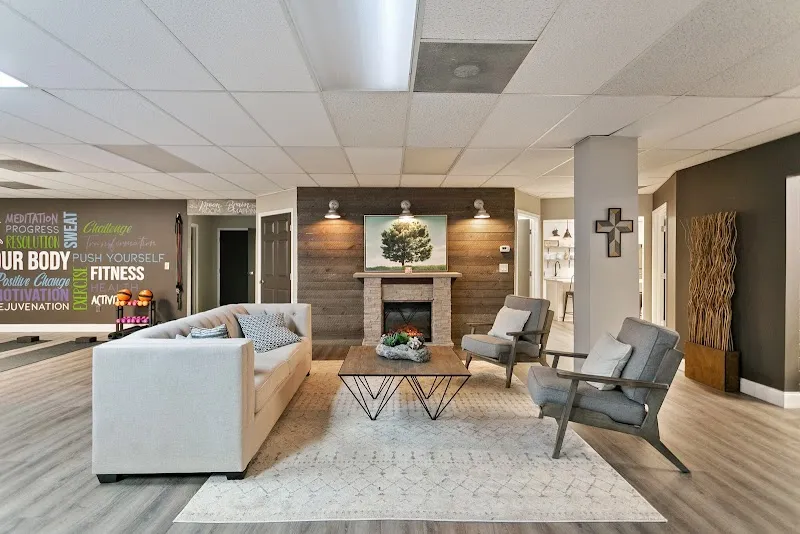
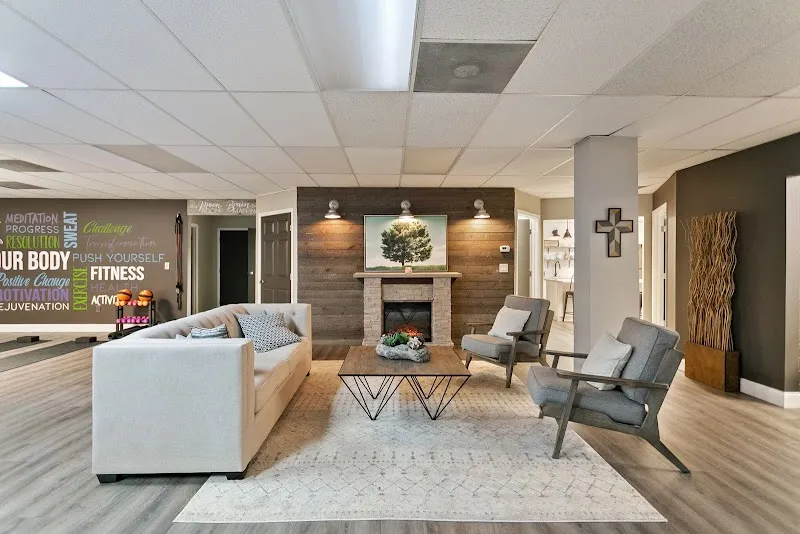
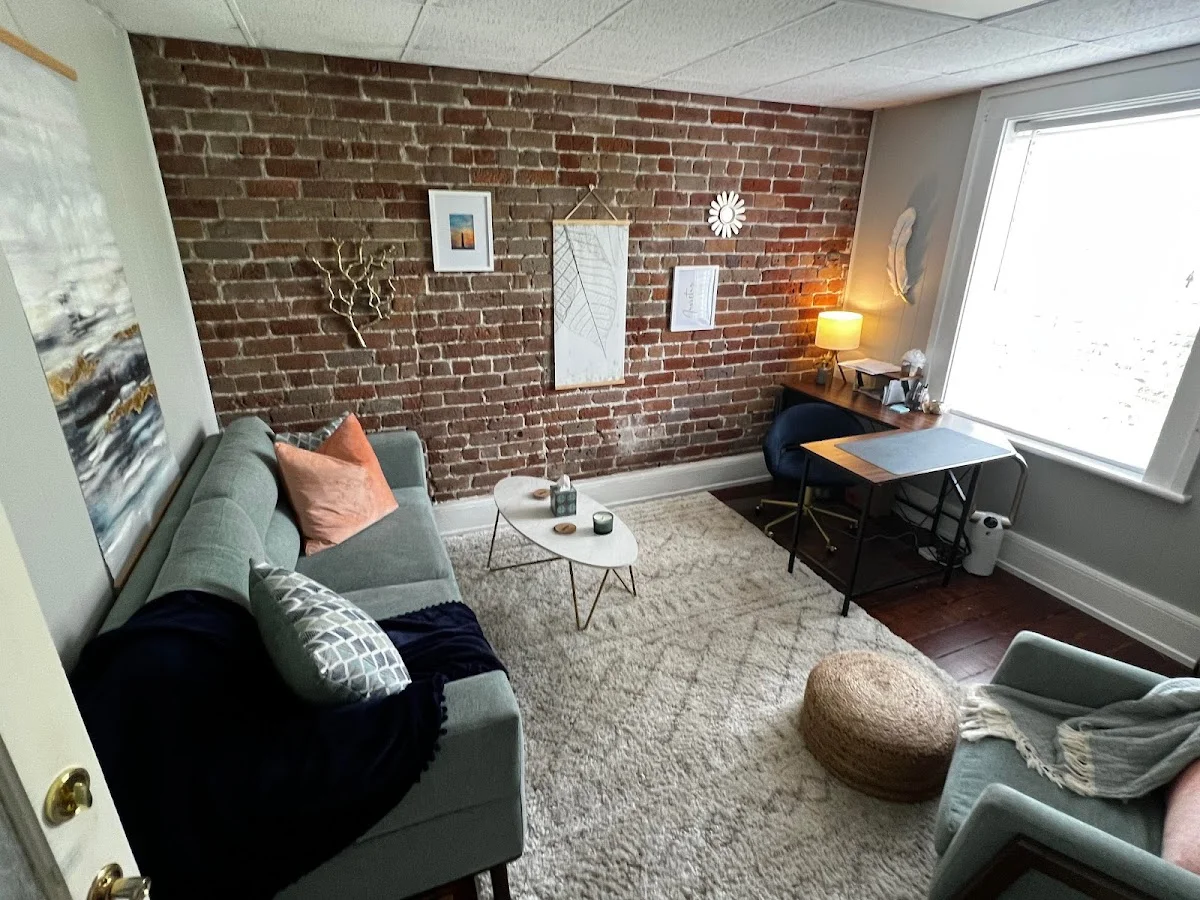
- Clean and Safe Living Environment: A clean, well-maintained, and safe living environment is fundamental. This includes comfortable bedrooms, communal living spaces, and access to essential amenities. A comfortable and supportive physical environment contributes to a sense of well-being and reduces stress.
- Accreditation and Certification: Look for sober living homes that are accredited or certified by reputable organizations. Accreditation ensures that the home meets certain standards of quality and care. In Georgia, organizations like the Georgia Association of Recovery Residences (GARR) provide certification and oversight.
Finding Men's Sober Living Homes in Georgia: A Step-by-Step Guide
Finding the right sober living home can feel overwhelming. Here's a step-by-step guide to help you navigate the process:
- Consult with a Treatment Professional: If you are currently in treatment, talk to your therapist, counselor, or case manager. They can provide recommendations based on your individual needs and preferences.
- Online Resources: Utilize online directories and search engines to find sober living homes in Georgia. Websites like GARR's website often list certified residences. Search terms like "men's sober living Columbus GA" or "recovery residence Augusta" can help narrow your search.
- Contact Potential Homes: Once you have a list of potential homes, contact them directly to inquire about their program, rules, fees, and availability. Ask specific questions about the services they offer, the staff qualifications, and the resident expectations.
- Visit the Homes: If possible, visit the homes in person to get a feel for the environment and meet the staff and residents. This is an opportunity to ask questions, observe the living conditions, and assess whether the home is a good fit for you. A visit to a sober living home in Macon, for example, can give you firsthand insight into the community.
- Check References: Ask for references from current or former residents to get an honest perspective on the home's effectiveness.
- Consider Your Budget: Sober living homes typically charge rent, which may include utilities, meals, and other services. Make sure you understand the fees and payment options before committing to a residence.
- Trust Your Gut: Ultimately, the best sober living home is the one that feels right for you. Trust your intuition and choose a home where you feel comfortable, safe, and supported.
The Cost of Sober Living in Georgia
The cost of sober living in Georgia varies depending on the location, amenities, and services offered. Generally, you can expect to pay between $800 and $2,000 per month. Some homes may require a security deposit or an initial intake fee. It's important to inquire about all costs upfront and understand the payment schedule. Some insurance companies may cover a portion of the cost of sober living, so it's worth checking with your insurance provider. In cities like Roswell and Sandy Springs, the cost might be higher due to the overall cost of living in those areas.
Maintaining Sobriety After Sober Living
Sober living is a stepping stone to independent living. To maintain sobriety after transitioning out of a sober living home, it's crucial to continue engaging in a strong recovery program. This may include attending 12-step meetings, working with a therapist, staying connected with your support network, and practicing healthy coping mechanisms. Consider developing a relapse prevention plan and identifying potential triggers. Continuing to build a strong foundation of support and self-care will significantly increase your chances of long-term success. Even after leaving a sober living home in Athens, for instance, maintaining connections with the local recovery community is essential.
By carefully researching and selecting a reputable men's sober living home in Georgia, you can create a strong foundation for lasting recovery. Remember that recovery is a journey, and seeking support is a sign of strength.
More Recovery Resources in Georgia
Sober Network is a directory, not an intake form. Explore local facilities and contact providers directly.